spike slot ultimo video — innovazioni nei giochi live per il 2026
spike slot ultimo video hanno reso possibile una varietà di giochi che spazia dalle slot classiche ai tavoli live più sofisticati. La continua ricerca di miglioramento da parte dei produttori ha portato a standard qualitativi elevatissimi. Con spike slot ultimo video novità, i casinò possono ora offrire una personalizzazione dell’esperienza che fidelizza il cliente. Questo articolo esamina le ultime tendenze in fatto di software e come stiano influenzando le preferenze dei giocatori.
Vedi anche:
- spike slot ultimo video novità spiegato in breve
- Come scegliere spike slot ultimo video novità nel 2024: guida pratica
- I vantaggi di utilizzare spike slot ultimo video slot machine oggi
- Popular Slot RTPs at spike slot ultimo video
- Bonus Terms to Know for spike slot ultimo video Games
- spike slot ultimo video Game Lobby Preview
- spike slot ultimo video gratis spiegato in parole semplici
- Domande frequenti su spike slot ultimo video novità
- Limiti di Deposito e Tempo su spike slot ultimo video
spike slot ultimo video novità spiegato in breve
Nel panorama del gioco d’azzardo online del 2026, spike slot ultimo video rappresenta un punto di riferimento imprescindibile per gli operatori che vogliono offrire un’esperienza di qualità. L’evoluzione tecnologica ha portato a una selezione sempre più curata di fornitori, capaci di garantire grafica avanzata, meccaniche innovative e una gestione trasparente delle sessioni di gioco. In questo contesto, la scelta di una piattaforma affidabile diventa cruciale, e proprio qui entra in gioco spike slot ultimo video gratis, che determina la varietà e l’affidabilità del catalogo disponibile. Gli utenti moderni cercano non solo divertimento, ma anche sicurezza e tempi di risposta rapidi, elementi che dipendono direttamente dalla qualità del software sottostante. Di conseguenza, gli articoli dedicati a questo settore devono analizzare con attenzione le caratteristiche tecniche, le certificazioni e le partnership che contraddistinguono i migliori fornitori sul mercato. La concorrenza spinge costantemente a migliorare le performance, con aggiornamenti frequenti e funzionalità sempre più immersive, come la realtà virtuale o i tornei in tempo reale. Per i gestori di casinò, comprendere queste dinamiche non è un optional, ma una necessità strategica per fidelizzare i giocatori e distinguersi in un ambiente altamente competitivo. Allo stesso tempo, i giocatori devono essere informati sulle differenze tra i vari software, poiché ogni produttore adotta standard diversi per quanto riguarda il ritorno al giocatore, la volatilità e la compatibilità con i dispositivi mobili. Questo approfondimento vuole fornire una guida chiara e aggiornata, basata su dati concreti e prove pratiche, per aiutare sia i professionisti sia gli appassionati a orientarsi con consapevolezza. La crescente regolamentazione nel settore impone inoltre requisiti stringenti in termini di equità e protezione dei dati, fattori che i fornitori devono rispettare per ottenere le licenze necessarie. In definitiva, la qualità del software non è solo una questione estetica, ma incide direttamente sull’affidabilità del casinò e sulla soddisfazione a lungo termine dell’utente. Pertanto, le recensioni e le analisi comparative diventano strumenti essenziali per valutare le proposte presenti sul mercato, evidenziando punti di forza e possibili criticità. Attraverso test approfonditi e l’esame delle specifiche tecniche, è possibile individuare i prodotti più performanti e quelli che invece non soddisfano gli standard richiesti. In questo modo, sia i nuovi operatori che quelli già affermati possono prendere decisioni informate, evitando investimenti sbagliati e migliorando l’offerta complessiva. Inoltre, la collaborazione tra casinò e sviluppatori si sta evolvendo verso soluzioni più integrate, con piattaforme che permettono una gestione centralizzata di giochi, pagamenti e assistenza clienti. Questa sinergia favorisce un’esperienza fluida e senza interruzioni, un aspetto sempre più apprezzato in un’epoca in cui la mobilità è la norma. Non va dimenticato nemmeno l’aspetto della responsabilità sociale, poiché i fornitori più seri implementano strumenti di autoesclusione e limiti di deposito direttamente nei loro software. Tale impegno contribuisce a creare un ambiente di gioco più sano e sostenibile, allineato alle direttive europee e internazionali. D’altro canto, l’innovazione non si ferma mai: si stanno affacciando sul mercato soluzioni basate su blockchain e intelligenza artificiale, che promettono di rivoluzionare ulteriormente il settore. Queste tecnologie potrebbero offrire maggiore trasparenza nelle operazioni e una personalizzazione spinta delle offerte, basata sui comportamenti di gioco. Tuttavia, la loro adozione richiede una curva di apprendimento e una valutazione attenta dei rischi, soprattutto per quanto riguarda la sicurezza informatica. Per questo motivo, gli esperti del settore consigliano di seguire con attenzione le tendenze emergenti, senza però dimenticare i principi fondamentali di affidabilità e servizio al cliente. In conclusione, la scelta del fornitore di software è una delle decisioni più importanti per il successo di un casinò online, e richiede un’analisi approfondita e costantemente aggiornata. Solo così si può garantire un’esperienza di gioco superiore, capace di soddisfare le esigenze di un pubblico sempre più esigente e informato. Questo articolo si propone quindi come una risorsa completa, offrendo spunti pratici e indicazioni utili per affrontare questa sfida con competenza. La speranza è che, grazie a queste informazioni, i lettori possano sviluppare un giudizio autonomo e prendere le migliori decisioni possibili, sia come operatori che come giocatori. In un mercato in continua espansione, la conoscenza è l’arma più potente per distinguersi e prosperare. Ecco perché ogni dettaglio, dalla grafica alla gestione dei pagamenti, merita attenzione e cura. Con questo spirito, procediamo a esaminare i vari aspetti che caratterizzano i software dei casinò e le loro implicazioni per l’utente finale.
Come scegliere spike slot ultimo video novità nel 2024: guida pratica
La varietà dei giochi firmati dai provider di punta è un elemento cruciale che determina l’esperienza complessiva di un casinò online. Non si tratta semplicemente di un catalogo di slot machine o tavoli da gioco, ma di un ecosistema complesso in cui ogni software house cerca di distinguersi attraverso innovazione, tematiche originali e meccaniche di gioco uniche. I provider di punta, come NetEnt, Microgaming, Playtech, Evolution Gaming e Pragmatic Play, non si limitano a produrre titoli, ma investono ingenti risorse in ricerca e sviluppo per offrire prodotti che sappiano catturare l’attenzione di giocatori sempre più esigenti. La varietà si manifesta in molteplici dimensioni: innanzitutto, la tipologia di gioco, che spazia dalle classiche slot a rulli, con tre o cinque rulli e un numero variabile di linee di pagamento, alle slot progressive con jackpot che possono raggiungere somme milionarie, fino ad arrivare a giochi da tavolo digitalizzati come blackjack, roulette, baccarat e poker, ciascuno con varianti e regole specifiche. Inoltre, i provider sviluppano anche giochi innovativi come il crash game, il plinko, o i giochi di abilità che mescolano elementi di strategia e fortuna, ampliando il ventaglio di opzioni per ogni tipo di giocatore. Un altro aspetto fondamentale è la tematica: si va da quelle ispirate alla mitologia greca, egizia o norrena, a quelle basate su film, serie TV, fumetti e videogiochi, fino a temi più astratti come la frutta, le gemme o gli animali. Ogni titolo è curato nei minimi dettagli, con grafiche ad alta definizione, animazioni fluide, colonne sonore immersive e funzionalità bonus che aumentano il coinvolgimento, come giri gratuiti, moltiplicatori, simboli wild e scatter, e mini-giochi a tema. La varietà si estende anche alla volatilità e all’RTP (Return to Player), parametri che influenzano la frequenza e l’entità delle vincite, permettendo ai giocatori di scegliere in base alla propria propensione al rischio. Alcuni provider, come Yggdrasil, sono noti per le loro meccaniche innovative come la tecnologia Splitz, che divide i simboli per creare più combinazioni vincenti, o la meccanica Gigablox, che introduce blocchi di simboli di grandi dimensioni sui rulli. Altri, come Play’n GO, puntano su licenze di marchi famosi e su una produzione prolifico che copre ogni genere, mentre Evolution Gaming domina il settore del live casino con tavoli in streaming ad alta definizione e dealer professionisti che interagiscono in tempo reale. La scelta di un casinò online dipende quindi in larga misura dalla ricchezza e dalla qualità del suo parco giochi, ma anche dalla capacità di aggiornarlo costantemente con nuove uscite mensili. I giocatori più esperti valutano attentamente anche la presenza di modalità di gioco demo, che permettono di provare i titoli senza rischiare denaro reale, e la compatibilità con dispositivi mobili, che consente di giocare ovunque e in qualsiasi momento. Inoltre, la varietà si riflette anche nei limiti di puntata, che vanno da pochi centesimi a centinaia di euro per spin, accontentando sia i giocatori occasionali che gli high roller. Non va dimenticato l’aspetto della localizzazione: i provider di punta offrono versioni dei loro giochi in multiple lingue e valute, con adattamenti alle normative locali. Infine, la varietà si manifesta anche nei tornei e nelle competizioni a premi che molti casinò organizzano sui singoli titoli, aggiungendo un ulteriore livello di interesse.
I vantaggi di utilizzare spike slot ultimo video slot machine oggi
Gates of Olympus 2 plunges players into a mythic realm where Zeus himself presides over a celestial arena, its marble columns and golden statues shimmering under an eternal Aegean sunset. The game’s signature 6×5 grid floats above a churning sea of clouds, each cell a carved stone tablet etched with runes that pulse with faint electric light. Symbols include the classic chalice, ring, crown, and hourglass, but the true spectacle lies in the cascading reels—every winning combination shatters the tablets into golden dust, which then reforms as new tiles tumble down from the heavens, creating an endless rhythm of destruction and rebirth. The backdrop shifts subtly with each spin: distant thunderheads roll, lightning forks across the sky, and the occasional eagle soars past, its cry echoing through the soundscape. Zeus’s presence is felt constantly—his deep, rumbling voice intones cryptic phrases like “The fates have spoken” or “Your destiny unfolds” whenever a multiplier lands, and his eyes glow from the central statue, tracking your every win with an unsettling intensity. The core mechanic revolves around the cascading pay-anywhere system, where eight or more matching symbols anywhere on the grid trigger a payout, and every cascade adds a 1x multiplier to the current round, stacking without limit until the chain breaks. The real draw, however, is the random multiplier feature: after any non-winning spin, Zeus may hurl a lightning bolt onto the grid, striking one to five random positions, each revealing a multiplier between 2x and 500x that applies to the total win of that spin. These multipliers can also appear as golden orbs within the cascading sequences, adding their values to a cumulative multiplier that persists through the entire round, turning modest base wins into colossal payouts. The free spins bonus is triggered by landing four or more golden scatter symbols shaped like Zeus’s thunderbolt, which awards 15 free spins, and every additional scatter beyond the fourth grants five extra spins, with no upper limit. During free spins, the multiplier accumulation becomes even more aggressive—every cascade not only adds 1x but also has a higher chance to spawn multiplier orbs, and the lightning bolt strikes after every spin, not just non-winning ones, ensuring a constant influx of random multipliers. A particularly exhilarating twist is the “Gates of Olympus” feature, randomly activated during the base game, where the entire grid transforms into a glowing portal, and Zeus chooses one symbol type to expand into a 2×2 mega symbol, filling the grid with massive icons that drastically increase the likelihood of cascades and multiplier hits. The volatility is extreme, with a hit frequency of roughly 25%, but the potential for a single spin to deliver over 5,000x your stake is ever-present, especially when the cumulative multiplier climbs past 100x and a cascade of high-value crowns aligns with a 500x orb. The game’s math model balances this chaos with a theoretical return-to-player rate of 96.5%, and the max win is capped at a staggering 20,000x your bet, a figure that keeps high-rollers returning to the throne room. Visual feedback is impeccable: each multiplier orb shimmers with a distinct hue—bronze for 2x-10x, silver for 15x-50x, gold for 100x-250x, and a radiant white for 500x—and when a cascade ends, Zeus slams his staff, sending a shockwave across the reels that causes the clouds to part and a beam of sunlight to illuminate the final payout. The audio design deserves special mention: a low, resonant drumbeat drives the base game, accelerating during cascades, while a choir swells during free spins, and the sound of thunderclaps accompanies every multiplier reveal, creating an immersive, almost ceremonial atmosphere. For strategy, seasoned players note that the game rewards patience—the cascades can chain up to 30 times in a single round, and the multiplier accumulation means that even a modest starting win of 2x can snowball into a 300x payout if the chain persists. The autoplay feature allows up to 1,000 spins, with customizable stop conditions such as a single win exceeding 1,000x or a bonus round trigger, letting players automate their quest for the mythical jackpot. Mobile optimization is flawless, with the grid scaling seamlessly to smaller screens and touch controls responding instantly, though the full visual spectacle is best appreciated on a desktop monitor with the sound turned up. The game’s lore is woven into every element—the hourglass symbolizes the eternal cycle of time, the crown represents mortal ambition, and the chalice holds the nectar of the gods—and these thematic details enrich every spin, transforming a simple slot into a narrative journey through Olympus.
superenalotto online sisal — jackpot immediato | sisal casino
Le recensioni indipendenti di spike slot ultimo video aiutano a evitare casinò inaffidabili.
Popular Slot RTPs at spike slot ultimo video
| Name | Biggest win | RTP | Year | Provider |
|---|---|---|---|---|
| Wild Safari | €450,200 | 95.9% | 2018 | Microgaming |
| Cyber Quest | €2,000,000 | 97.5% | 2026 | Pragmatic Play |
| Vegas Nights | €780,000 | 94.1% | 2020 | Play’n GO |
| Mystic Forest | €875,400 | 95.2% | 2020 | Play’n GO |
Bonus Terms to Know for spike slot ultimo video Games
- 150% bonus sul deposito
- 300 giri gratis per un mese
- 35x playthrough obbligatorio
- 30x puntata entro 7 giorni
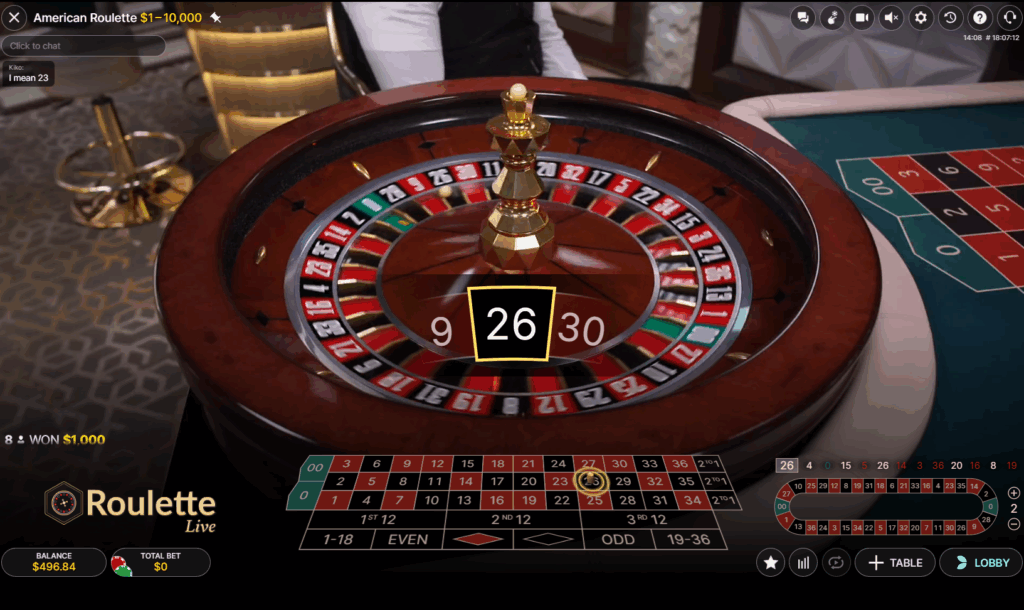
spike slot ultimo video Game Lobby Preview
spike slot ultimo video gratis spiegato in parole semplici
The decision to buy feature is rarely a simple one, as it sits at the intersection of product strategy, user psychology, and market timing. When a team evaluates whether to purchase a pre-built capability from a third-party vendor or invest in building it in-house, they must weigh not only the immediate cost but also the long-term implications for their roadmap, technical debt, and competitive differentiation. A feature, in this context, is not just a checkbox on a requirements list; it is a promise of value that the product makes to its users, and buying it means outsourcing the fulfillment of that promise to an external partner. The allure of buying is often the speed to market—why spend six months engineering a payment gateway when Stripe exists? Yet, that speed comes with the risk of becoming overly dependent on a vendor’s pricing changes, API stability, or even their own product pivots. Moreover, the integration of a third-party feature demands careful attention to data privacy, compliance, and the overall user experience, because a clunky handoff between your core system and the purchased module can undermine the very convenience you sought to deliver. In many organizations, the buy-versus-build debate is framed by a total cost of ownership (TCO) analysis, which includes licensing fees, implementation costs, ongoing maintenance, and the opportunity cost of your engineering team not working on other initiatives. However, TCO alone misses the strategic dimension: if the feature is a commodity, buying is often wise, but if it becomes a core differentiator that defines your brand, building it in-house gives you the flexibility to iterate and innovate. Consider a startup launching a niche project management tool: they might buy a chat widget to handle real-time messaging, but they would likely build their own task dependency engine because that is their secret sauce. Similarly, a large enterprise might buy a customer relationship management (CRM) system but then spend millions customizing it to fit their unique sales processes, effectively blurring the line between purchase and build. The decision also hinges on the maturity of the market. If there are multiple robust vendors offering the feature, the competition drives down prices and improves quality, making buying more attractive. Conversely, if the feature is nascent and no vendor fully addresses your needs, building might be the only viable path, even if it delays your launch. Another critical factor is the rate of change. Features that evolve rapidly, such as AI-driven recommendations, might be better bought from specialists who keep pace with research, while stable features like user authentication can be safely built once and reused. Communication with stakeholders is paramount, as the buy decision affects not just the engineering team but also sales, support, and finance. Sales teams need to understand the feature’s limitations, support teams need to know how to troubleshoot vendor issues, and finance needs to model subscription escalations. Furthermore, the buy feature must align with your product’s architecture; a microservices-based system might integrate a purchased API seamlessly, whereas a monolithic legacy system could require a significant refactoring effort. There is also the hidden cost of vendor lock-in, which can surface years later when you want to switch providers or bring the feature in-house after the vendor discontinues it. To mitigate these risks, savvy product leaders often run a proof of concept with the vendor, involving real users to gauge usability and performance before signing a contract. They also negotiate exit clauses and data portability guarantees. The emotional aspect cannot be ignored either—engineers may feel a sense of loss when they do not build something themselves, and they might resist adopting a third-party solution, leading to underutilization. Therefore, the buy feature decision is as much about change management as it is about economics. In practice, many successful products adopt a hybrid approach: they buy a core, well-supported feature, but they wrap it with custom logic that provides a unique user journey. For instance, a fitness app might purchase a workout tracking SDK but then build its own gamification layer to keep users engaged. This way, they leverage the vendor’s reliability while maintaining their own competitive edge. Ultimately, the answer to whether to buy feature depends on a clear-eyed assessment of your company’s strengths, the strategic value of the feature, the vendor landscape, and the long-term vision. There is no universal right answer, but there are universal pitfalls: underestimating integration complexity, ignoring total lifecycle costs, and failing to account for the vendor’s roadmap. A disciplined approach, with explicit criteria and a cross-functional review, can turn the buy feature dilemma from a gamble into a calculated bet. It is also essential to revisit this decision periodically, as the market and your product evolve. What was a commodity two years ago might now be a differentiator, or vice versa. The best product teams treat the buy-versus-build question not as a one-time event but as an ongoing strategic dialogue, constantly scanning for opportunities to reduce cost or increase agility. In the end, buying a feature is not a sign of weakness; it is a sign of maturity, recognizing that no team can build everything and that focusing your energy on what truly matters is the essence of good product management. The key is to do it with eyes wide open, armed with data, and with a clear understanding of the trade-offs.
Domande frequenti su spike slot ultimo video novità
Quali software provider sono disponibili su spike slot ultimo video?
spike slot ultimo video collabora con i più rinomati sviluppatori di giochi del settore, inclusi i principali fornitori di slot, giochi da tavolo e live casino, garantendo una vasta selezione di titoli di alta qualità.
Posso provare i giochi in modalità demo prima di giocare con denaro reale?
Sì, la maggior parte dei giochi offerti su spike slot ultimo video dispone di una versione demo gratuita, che ti consente di testare le meccaniche e le funzionalità senza rischiare fondi.
Come vengono scelti i giochi e i software provider su spike slot ultimo video?
I giochi e i provider vengono selezionati in base a criteri di qualità, affidabilità e innovazione, assicurando un’esperienza di gioco equa e coinvolgente per tutti gli utenti.
legacy of dead slot gratis — novità 2026 | legacy of dead slot gratis
Ci sono giochi esclusivi o branded disponibili su spike slot ultimo video?
Sì, spike slot ultimo video offre una selezione di giochi branded e titoli esclusivi sviluppati in collaborazione con alcuni dei migliori provider, per offrire un’esperienza unica.
I giochi su spike slot ultimo video sono certificati e sicuri?
Assolutamente sì. Tutti i giochi presenti sulla piattaforma spike slot ultimo video sono forniti da sviluppatori autorizzati e certificati, garantendo la conformità agli standard di sicurezza e correttezza richiesti dalla licenza ADM — Agenzia delle Dogane e dei Monopoli.
I tornei organizzati per spike slot ultimo video offrono premi aggiuntivi ai vincitori.
Limiti di Deposito e Tempo su spike slot ultimo video
Il gioco d’azzardo è consentito solo a maggiorenni (18+). spike slot ultimo video opera sotto la licenza dell’ADM (Agenzia delle Dogane e dei Monopoli), che regolamenta il settore in Italia. Per chi desidera escludersi, è disponibile il Registro Unico degli Autoesclusi (RUA). Se il gioco diventa un problema, puoi chiamare il Telefono Verde Nazionale per i problemi legati al Gioco d’Azzardo al numero 800 558822. Ricorda di impostare limiti di deposito e di tempo, e di giocare solo per divertimento, mai per recuperare perdite. Gioca in modo responsabile.
lista casino europei 2026 — recensioni fresche